Supreme Court Shoots Down Trump’s Bid to End Birthright Citizenship
The Supreme Court ruled 6-3 against President Trump’s executive order, which sought to revoke birthright citizenship for children of non-citizen parents, stating that it is unconstitutional. The decision, handed down June 30, 2026, means the rule that’s stood since the aftermath of the Civil War will stay in place unless a constitutional amendment occurs.
Trump signed the order on his very first day back in office, part of a broader push to crack down on immigration. It argued that kids born in the U.S. shouldn’t automatically get citizenship if their parents were here illegally or only temporarily. The pushback was immediate. Civil rights groups, immigrant advocates, and a slew of states sued almost overnight, insisting the president simply doesn’t have the power to rewrite citizenship rules through an executive order.
Federal courts agreed, at least enough to block the order while the legal fight played out. That set up a lengthy back-and-forth that eventually landed at the Supreme Court’s doorstep.
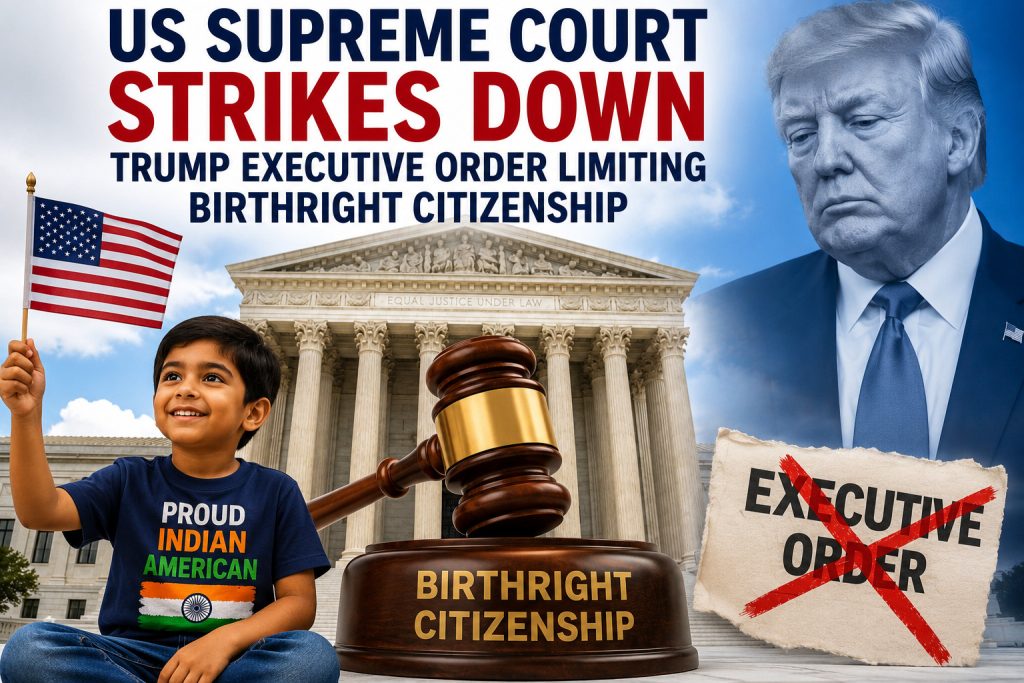
In the majority opinion, the justices made clear that it’s the Constitution — not the White House — that decides who counts as a citizen. “The Fourteenth Amendment’s Citizenship Clause, they wrote, simply isn’t something a president can override with a signature. With a few narrow, long-recognized exceptions, anyone born on U.S. soil is a citizen, period.”
This wasn’t just a legal technicality—it was a fight with real stakes for hundreds of thousands of babies born in the U.S. every year. Had the order been allowed to stand, legal experts warned it could’ve thrown citizenship status, access to public services, and basic legal protections into chaos for a huge number of American-born kids.
The case followed a complex trajectory to reach this point. The ACLU and other groups filed suit within hours of Trump signing the order back in January 2025, and more lawsuits piled up across the country in the following weeks. Then, in June 2025, the Supreme Court weighed in on a related but narrower question in Trump v. CASA, Inc. — this one about whether lower courts can issue nationwide injunctions. That ruling pushed advocates to pursue class-action litigation instead, to make sure kids caught up in the dispute wouldn’t lose protection while the bigger constitutional question got sorted out.
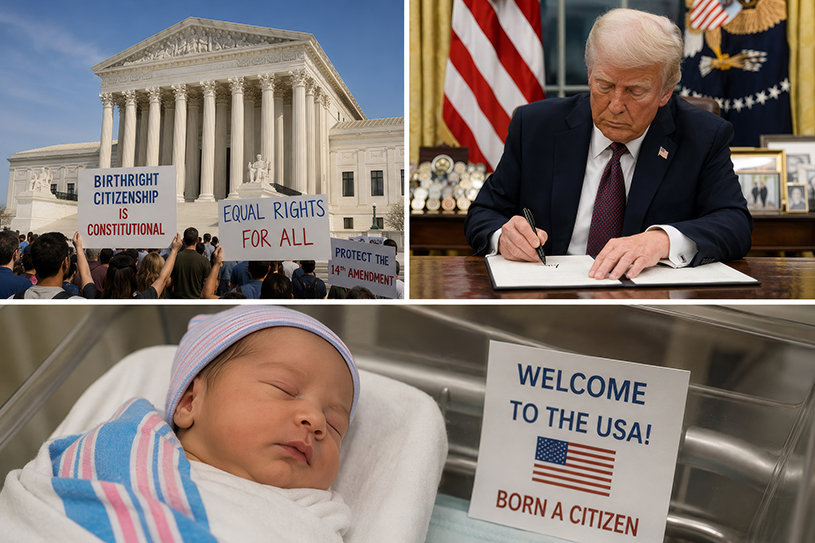
The larger issue ultimately reached a resolution in Trump v. Barbara. The plaintiffs’ lawyers contended that the language of the Fourteenth Amendment is among the clearest in constitutional text and that no executive order can undermine it. The administration, for its part, argued it had the authority to reinterpret how far birthright citizenship actually extends.
The Court heard oral arguments on April 1, 2026, and took nearly three months to issue its final ruling. When it came down on June 30, it wasn’t close to the bottom line, even if the reasoning behind it split the justices in more complicated ways.
For now, the ruling settles one of the most closely watched immigration and executive-power fights in recent memory. The broader immigration debate isn’t over by any means—but the Court made one thing pretty clear: if anyone wants to actually change birthright citizenship, they’re going to need a constitutional amendment, not an executive order.