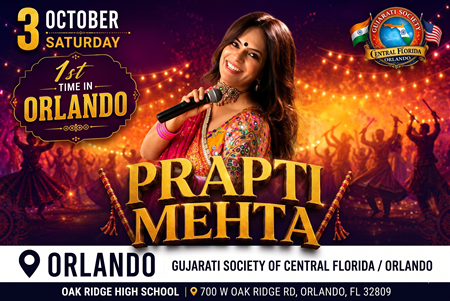
FROM GARBA TO DIWALI
Hindu Festivals Connect Indian-Americans with Their Hindu Heritage
By Raj Shah
At 3:00 PM on a Sunday afternoon, the family room became a rehearsal hall. The coffee table has been pushed against the wall. Two mothers are counting beats from a phone while six children try to remember where to turn. One boy keeps moving to the left when everyone else moves to the right. A ten-year-old girl reminds the group to smile. Their costumes are hanging upstairs, the Diwali program is three weeks away, and the parents have already exchanged more than fifty messages about music, practice times, transportation, and who will bring snacks.
The children think they are preparing for a dance competition. They are also learning how Indian culture survives in America.
They are hearing music connected with a festival their classmates may know little about. They are learning why the program is being held, what Diwali celebrates, how to work with a team, and why grandparents become emotional when they watch. The dance lasts only five minutes on stage. The learning begins weeks earlier.
Across the United States, Indian-American families are adopting Garba, Navratri, Dussehra, and Diwali with an energy that deserves attention. Festivals once observed quietly at home or within a small temple group now fill school auditoriums, convention centers, parks, college campuses, and city halls. Young Indian Americans who may not speak an Indian language fluently are arriving in chaniya cholis and kurtas, joining dance teams, volunteering at temple programs, and explaining Diwali to their friends.
Many are discovering Indian and Hindu culture almost indirectly. Nobody announces that the evening will be a lesson. The lesson arrives through the music, rehearsals, clothing, food, stories, prayers, and people around them.
There is a striking irony here. In America, families work hard to bring children closer to festivals that are far from the country where those traditions began. Meanwhile, during the Diwali vacation in India, some young people plan trips to Goa, Udaipur, or other tourist destinations mainly for hotel parties, alcohol, nightlife, and a break from family obligations. This trend does not describe every young person in India. Millions still celebrate with deep faith and strong family ties. Yet the contrast is real enough to make us pause. Distance sometimes creates hunger for what familiarity allows others to take for granted.
Garba as a Cultural Classroom
Garba has become one of the most effective ways for Indian-American youth to enter Hindu culture. It succeeds because participation comes first. A child does not need to read a long explanation before joining the circle. He watches someone beside him, copies the steps, misses a beat, and tries again.
The dance carries meaning even when the beginner does not yet understand it. Traditional Garba is associated with Navratri and the worship of the Divine Mother. The word “garbo” is connected with the earthen lamp placed at the center. Dancers move around that light in a circle. The form reminds us of life moving around the divine presence that remains at the center.
How many teenagers learn all of that before attending their first Garba? Probably very few. Yet attendance creates curiosity. A teenager asks why there is a lamp in the middle. A parent explains why Navratri lasts nine nights. Someone mentions Durga’s victory over Mahishasura. Another conversation begins about Shakti and the many ways Hindu traditions understand divine feminine power.
This is how cultural education often works in an immigrant home. The child enters through enjoyment and discovers meaning gradually.
The American Garba has also become a social event that young people choose for themselves. They invite friends, plan coordinated clothing, learn steps from online videos, and stay on the dance floor longer than their parents. College students organize Garba nights that attract people from many backgrounds. A student who once resisted going to the temple may spend hours teaching a non-Indian roommate how to use dandiyas.
Parents should recognize the opportunity. The goal is not to interrupt every song with a lecture. A short explanation at the beginning, a printed card near the entrance, or a conversation during the drive home can give the evening context. Temples and community organizations can hold a brief beginner’s session that teaches the steps and explains their connection to Navratri. Singers can include devotional Garbas along with newer favorites.
Young people come for music and friendship. They can leave with a more profound understanding of why the community gathered.
Learning Without Feeling Lectured
Indian-American parents often worry that their children are losing touch with Hindu culture. The concern is understandable. Children spend most of their day in American schools, speak English with friends, and grow up inside a calendar shaped by Christmas, Halloween, Thanksgiving, and spring break. Hindu festivals change dates each year and may fall on school days. Grandparents who know the traditions best may live thousands of miles away.
Direct teaching has a place, though children may resist when culture is presented as another subject they must study. Festivals offer a different path. They allow children to learn while doing something with other people.
A girl helping her mother make rangoli begins to ask what the patterns mean. A boy playing Hanuman in a Ramlila production learns why Hanuman represents devotion and courage. Teenagers volunteering at a Diwali mela discover that a community event requires people to arrange chairs, direct parking, serve food, clean the hall, and stay after the audience has left. A family performing Lakshmi Pūjā can explain why cleanliness, gratitude, and responsible use of wealth are connected with the occasion.
None of these lessons requires a classroom test. The experience itself gives the child a place inside the tradition.
That sense of belonging matters. A young person is more likely to care about a culture when he has a role within it. Watching adults perform every ritual from a distance creates one kind of memory. Carrying the ārati tray, placing diyas along the walkway, performing on stage, or greeting guests creates another.
Parents sometimes wait until children are teenagers before asking them to become interested. Participation should begin much earlier. A five-year-old can place flowers near the mandir. An eight-year-old can help pack prasad. Older children can introduce a performance, manage registration, or explain the festival to invited guests. Responsibility grows with age.
The child gradually understands, “This celebration belongs to my family, and I belong here.”
Dance Competitions That Teach Team Spirit
Diwali dance competitions have become a major attraction at community celebrations. Some adults see them mainly as entertainment. The children involved experience weeks of work before the curtain opens.
A team must agree on music, assign positions, learn choreography, and practice until individual movements fit the group. Children who are naturally confident learn to make room for quieter members. Strong dancers discover that the team cannot succeed if they move far ahead of everyone else. A child who forgets a step must recover without stopping the performance.
Parents also become part of the team. Someone opens a home for rehearsals. Someone edits the music. Another parent handles costumes or drives children whose families cannot attend every practice. Disagreements happen. A child may want the front position. A parent may feel that her daughter deserves a longer solo. The choreographer has to make decisions that serve the whole group.
These situations teach lessons that children will use in school, college, and professional life. They learn punctuality because ten people are waiting when one person arrives late. They learn dependability because an absent dancer leaves a visible space. They learn to accept corrections, handle disappointment, and encourage a nervous teammate.
The cultural learning continues alongside the teamwork. Children hear Hindi, Gujarati, Punjabi, Tamil, Telugu, or Bengali lyrics and ask for their meaning. They learn that not every Indian dance is “Bollywood.” A program may move from a classical invocation to folk traditions and contemporary music. Costumes introduce regional styles. The emcee explains why Diwali is celebrated differently across India.
Even a Bollywood-based performance can create a cultural bridge when organizers provide context. The music attracts the children. Rehearsal brings families together. The festival gives the performance its setting.
Of course, competition can go too far. Expensive costumes, aggressive parents, and arguments over judging can drain the joy from the program. Organizers should keep the purpose visible. Awards may recognize age groups, creativity, cultural presentation, and teamwork. Every child should be treated with respect. The stage should build confidence without turning a sacred celebration into a contest for parental status.
Handled thoughtfully, the dance competition becomes one of the liveliest classrooms in the community.
Diwali in American Public Life
Indian-American children once had to explain Diwali from the beginning each year. Many attended school after a late night of prayer and family gatherings. Parents requested an excused absence or sent mithai for the class. Coworkers often asked why the date changed.
Recognition has expanded. New York City public schools have closed for Diwali. Pennsylvania recognized Diwali as an official state holiday after Governor Josh Shapiro signed Act 112 in 2024. Presidents from both parties have hosted Diwali celebrations at the White House. The United States Postal Service issued a Diwali Forever stamp in 2016.
These public acknowledgments help young Indian Americans feel that their heritage has a place in the country where they were born. A child who sees Diwali on a school calendar no longer has to treat the festival as a private family matter that must remain invisible to classmates.
Visibility also creates a new educational role for the community. When a school, library, museum, or city government hosts a Diwali program, someone must explain the festival accurately. Children often become effective ambassadors because they understand the questions their American friends will ask.
Why do we light diyas? Why do some families worship Lakshmi? Why do people tell different Diwali stories? Is Diwali only a Hindu festival?
The answers reveal the breadth of Indian civilization. Many Hindus remember Lord Rama’s return to Ayodhya. Others mark Lord Krishna’s victory over Narakasura or worship Lakshmi. Jains commemorate the nirvana of Lord Mahavira. Sikhs observe Bandi Chhor Divas in remembrance of Guru Hargobind’s release from imprisonment. Regional traditions shape the foods, prayers, names, and sequence of the celebration.
Young Indian Americans who prepare to answer these questions often end up learning the answers themselves. Teaching becomes a form of discovery.
The Contrast With India
Every generation changes the way it celebrates. India today is urban, mobile, global, and heavily influenced by social media. Young adults work far from their hometowns. Travel has become easier. Hotels, resorts, restaurants, and online platforms market Diwali vacation packages as aggressively as American businesses market holiday sales.
For some young Indians, the Diwali break has become an opportunity to leave home. Goa offers beaches, clubs, and late-night parties. Udaipur offers destination hotels, rooftop celebrations, and highly photographed gatherings. Other groups travel abroad. Alcohol and nightlife may become the center of the trip, while the family pūjā, visits to elders, and neighborhood customs become optional.
We should be careful with this comparison. India continues to hold some of the world’s largest and most deeply rooted Diwali celebrations. Families clean their homes, prepare sweets, visit temples, conduct pūjā, exchange gifts, and welcome relatives. Young people lead charitable drives, create magnificent rangoli, organize cultural programs, and return home because the festival matters to them.
Still, the growth of Diwali party tourism points to a larger concern. A tradition can become so familiar that people stop asking what it means. The holiday remains on the calendar while its purpose grows faint.
Indian Americans face the opposite condition. The surrounding society does not automatically provide the festival. Families must create it. They reserve a hall, form a committee, teach the dance, prepare children, invite local officials, explain the customs, and sometimes drive for an hour to reach the nearest temple. The effort makes the tradition visible.
This does not make Indian-American youth more Hindu than youth in India. It shows how migration can sharpen cultural awareness. When something is no longer available everywhere, people decide which parts they want to preserve.
The irony should lead to reflection rather than accusation. A young person attending a party in Goa may also join the family pūjā before leaving. An American-born teenager dancing at Garba may know every step and very little about Durga. Both are living with partial connections. Both need opportunities to go deeper.
What Parents and Community Leaders Can Do
Festivals will teach culture only when adults make room for meaning. A crowded schedule of performances can entertain families for hours while leaving children with little understanding of the occasion. Parents and community leaders have an opportunity to turn Garba, Navratri, and Diwali celebrations into experiences that children will remember long after the music stops.
That begins with active participation. Parents should become involved in the preparation instead of simply dropping their children off at rehearsals and returning on the day of the performance. They can volunteer to coordinate practice schedules, provide transportation, prepare snacks, supervise younger children, help select music, or open their homes for rehearsals. When children see their parents investing time and energy, they understand that the celebration matters to the entire family.
Dance competitions offer many opportunities for parents to contribute. Some parents can help children understand the lyrics of the selected song. Others may know how to edit music, teach basic dance steps, organize formations, or make simple props. Parents familiar with sewing can help create or alter Indian costumes. They might take children shopping for fabric, explain the difference between a chaniya choli and other traditional outfits, or show how mirror work, embroidery, colors, and jewelry reflect regional traditions.
Making or preparing costumes together can become part of the cultural experience. A child who helps select fabric or attach decorations develops a personal connection with the clothing. The costume becomes something connected to family effort and cultural memory instead of an outfit purchased quickly for one performance.
Parents should also help children understand that a dance team depends upon every member. They can encourage their children to arrive on time, practice between rehearsals, accept the choreographer’s decisions, and support teammates who are having difficulty. If a child is disappointed about standing in the second row or receiving a smaller role, parents can explain that the success of the group depends upon cooperation. Parents weaken that lesson when they argue over positions or demand special treatment.
Community organizers can support this learning by beginning each program with a clear, brief explanation of the festival. Children can introduce their dances in their own words and explain the song, region, story, or tradition behind the performance. A display near the entrance can introduce the diya, rangoli, Garba circle, dandiyas, and forms of Devi. Event programs can include a short story or a question that families discuss on the way home.
Teenagers should be invited to help plan the celebration. They can manage registration, design invitations, create social media posts, welcome guests, introduce performances, assist younger dancers, or organize a seva project connected with the festival. Giving them real responsibility helps them see themselves as contributors to the community.
The learning should continue at home. Families can host a simple Diwali pūjā and invite children to participate in preparing the mandir, arranging flowers, placing diyas, and preparing prasad. Parents can explain each step in plain language. Children may take turns reading a short story about Lord Rama’s return to Ayodhya, Lakshmi Pūjā, Lord Krishna’s victory over Narakasura, or another tradition followed by the family.
A home celebration does not need elaborate decorations or an expensive meal. What children remember is often something small: lighting the first diya with a grandparent, placing flowers near the mandir, delivering sweets to a neighbor, or hearing why a family follows a particular custom.
Making rangoli together is another simple way to involve children. Parents can spread out colored powder, flower petals, rice, or chalk and allow children to help choose the design. Younger children may make uneven lines or mix the colors. The finished rangoli does not have to look professional. Sitting together and discussing the significance of placing rangoli near the entrance is more valuable than creating a perfect design by one adult.
Before attending Garba, parents can explain why the dancers traditionally move around a lamp at the center. They can tell children that the circle represents the movement of life while the divine presence remains at the center. Before a Diwali dance competition, parents can help them translate one line from their song. When choosing a costume, they can discuss the region or dance tradition it represents. After the event, they can ask the kids what they liked, what was hard, and what they learned about teamwork.
These conversations should remain natural. Children do not need a sermon each time they wear Indian clothes or attend a festival. One meaningful detail shared during a car ride, rehearsal, meal, or rangoli activity can stay with them for years. Understanding grows through repeated experiences.
Parents can also involve children in the service behind the celebration. A family may volunteer together at the registration desk, help decorate the hall, distribute food, guide elderly guests to their seats, or remain after the program to clean. Children then learn that a successful festival depends upon people whose names may never appear on stage.
Adults must model the values they want festivals to carry. Children notice when parents argue over performance positions, display wealth competitively, ignore volunteers, or treat prayer as an inconvenience before the entertainment begins. They also notice when adults welcome a new family, thank the costume coordinator, include a child who is struggling, and sit respectfully during ārati.
Parents cannot expect a dance teacher, temple, or community organization to carry the entire responsibility of cultural education. These institutions can open the door. Families help children walk through it.
When parents sew costumes, host rehearsals, perform Diwali pūjā at home, make rangoli with their children, explain a song, volunteer at the event, and encourage the entire dance team, they turn celebration into live culture. The child learns that Garba and Diwali involve music and enjoyment, along with faith, family effort, cooperation, and service.
The cultural lesson is always larger than the stage.
Beyond the Indian-American Community
One of the clearest signs of transformation is the number of people attending these events who have no Indian background. They arrive as coworkers, classmates, neighbors, spouses, local officials, or curious residents who saw a flyer online.
Their presence changes the meaning of the celebration in a healthy way. Indian Americans once gathered mainly to recreate a sense of home. Many communities are now secure enough to invite the wider public into that home.
The invitation works best with guidance. A short welcome can explain when to remove shoes, what the lamp signifies, and whether participation is optional. At Garba, a beginner’s circle can teach the basic steps before the floor fills. Children can serve as cultural guides, a role that often gives them pride.
Care is also needed. A sacred symbol should not become a party decoration without context. Traditional clothing deserves respect rather than costume treatment. Photographs should not interrupt worship. Hospitality and clarity usually prevent awkwardness.
When people experience a festival directly, India stops being an abstraction. It becomes the neighbor who taught them a dance step, the child who explained a diya, and the family that welcomed them to dinner.
What Must Be Preserved
Growth brings visibility, and visibility can tempt communities to measure success through crowd size, celebrity names, ticket sales, or social media reach. Those numbers tell only part of the story.
We should also ask quieter questions. Did the children learn why they were there? Could seniors participate comfortably? Were volunteers treated with gratitude? Did the event welcome families who could not afford expensive tickets or clothing? Was there time for devotion? Did anyone leave feeling closer to the community?
The answers will vary. No single event can satisfy every expectation. A professional garba concert serves a different purpose from a temple observance or a family pūjā. Problems arise when every celebration begins to look like the same commercial production.
Families retain considerable power. They can attend the grand public event and still light a lamp at home. Parents can share one story at breakfast the next morning. Grandparents can explain a family custom without demanding that it remain frozen exactly as they remember it.
Preservation does not require staging an exact copy of life in India decades ago. It requires knowing what a practice means before deciding how it may change.
Keeping the Lamp at the Center
By the time Diwali arrives, many Indian-American children will have spent weeks preparing. They will know where to stand, when the music changes, who needs help with a difficult step, and how to recover if something goes wrong. Their grandparents will watch from the audience. Parents will record the performance. Friends from school may see their first Diwali program.
The applause will last a few moments. What remains may be far more important.
A child will remember belonging to a team. Another will recognize a song years later and recall rehearsals in a friend’s living room. Someone will understand for the first time why diyas are lit. A teenager may begin asking questions about Rama, Lakshmi, Durga, or the meaning of dharma. A non-Indian friend may leave with a respectful introduction to Hindu culture.
Meanwhile, families in India will celebrate in countless ways. Some will gather for pūjā and dinner. Some young people will travel. Some will combine family rituals with a holiday party. Culture has never remained motionless, either in India or abroad.
The important question is whether celebration still carries memory and meaning. Indian Americans are showing that dance, competition, friendship, and public festivals can lead children toward their heritage. The learning may begin indirectly, but it becomes real through repeated participation.
Garba teaches the child to move within a circle whose center is sacred. A Diwali dance team teaches the individual to depend on others. Family prayer connects the celebration with gratitude and responsibility. Community service shows that a festival also belongs to those who work behind the scenes.
Indian Americans are building these connections because they know how easily culture can fade when it is not practiced. Their children may speak differently, celebrate on a convenient weekend, and learn their first Garba steps from a video. They are still reaching for the lamp.
Our task is to help them understand why it is burning.
About the Author
About the Author:
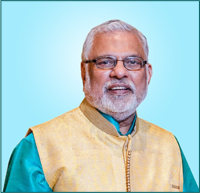 A software engineer by profession, Indian culture enthusiast, ardent promoter of Hinduism, and a cancer survivor, Raj Shah is a managing editor of Desh-Videsh Magazine and co-founder of Desh Videsh Media Group. Promoting the rich culture and heritage of India and Hinduism has been his motto ever since he arrived in the US in 1969.
He has been instrumental in starting and promoting several community organizations such as the Indian Religious and Cultural Center and International Hindu University. Raj has written two books on Hinduism titled Chronology of Hinduism and Understanding Hinduism. He has also written several children books focusing on Hindu culture and religion.