
The Rise and Rise of Indian-Americans: From Immigrants to Influencers
By Raj Shah
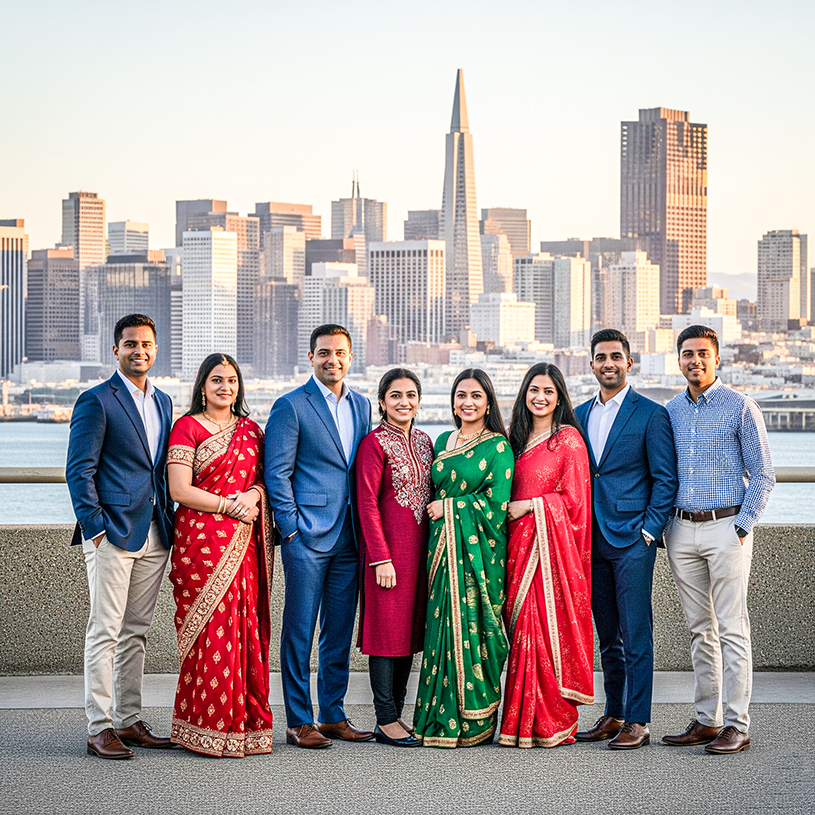
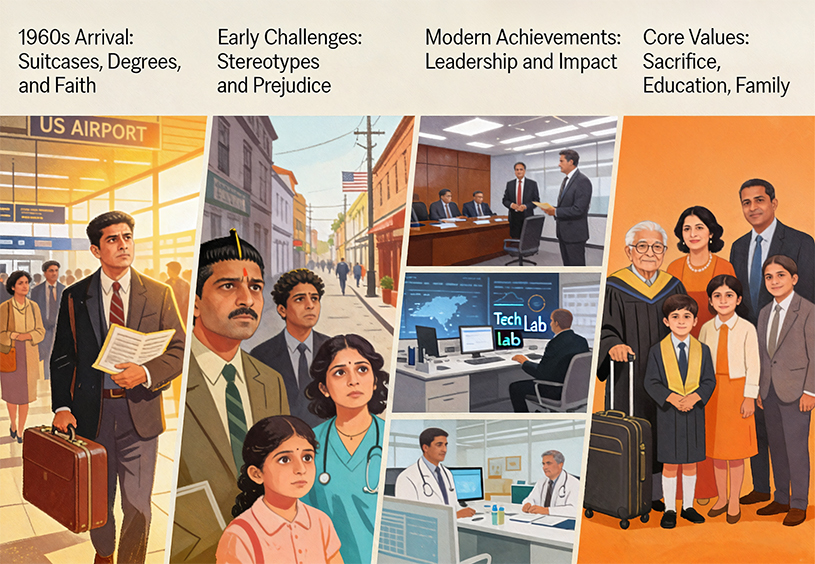
When the first large waves of Indian immigrants began arriving in the United States in meaningful numbers after the mid-1960s, most came with little more than suitcases, degrees, and an almost stubborn faith that hard work could outrun hardship. They entered a country that often knew little about India beyond vague stereotypes—curry, cows, “exotic” spirituality, and Bollywood caricatures. In many towns, an Indian face drew curious stares. In some workplaces, an Indian accent drew quiet prejudice. In too many neighborhoods, an Indian name was mispronounced so routinely that families learned to answer to a shortened version just to make life easier.
“Yet something remarkable happened over the next half century. Indian-Americans did not merely “assimilate.” They achieved it. They built. They contributed. And now—most strikingly—they lead.”the
Today, Indian-Americans sit in America’s most influential boardrooms, help shape public policy, run major institutions, and define the cutting edge of technology and medicine. They are entrepreneurs who create jobs, physicians who heal communities, professors who guide generations, and public servants who steward civic life. Indian-Americans have transformed from a small, often invisible immigrant group into one of the most visible—and impactful—communities in the modern American story.
This is not a simple success narrative. It is a complex, multi-generation rise—anchored in sacrifice, education, and family values, yet tested by shifting politics, cultural pressures, and new waves of backlash. It is a rise that continues, even as the winds change.
This is the rise—and rise—of Indian-Americans.
A Community Built on Courage and Calculation
To understand Indian-American influence today, one must first understand Indian-American beginnings in the U.S.—especially after the Immigration and Nationality Act of 1965 reshaped who could legally enter America and on what basis. “The earliest post-1965 arrivals tended to be highly skilled: doctors, engineers, scientists, teachers, and researchers.” Many entered through pathways that favored professional qualifications. Their first decades in America were not glamorous. They were full of long hours, frugal living, and cultural adjustment.
For many families, the American dream did not begin with a big house. It began with a rented apartment, a used car, and a strict household budget. Parents worked double shifts. Mothers and fathers—often both—took on jobs that matched neither their talents nor their aspirations while they studied for licensing exams, built credentials, and navigated unfamiliar systems.
And they did all of this while carrying a heavy emotional burden: the responsibility to prove that leaving India was not a mistake.
This pressure shaped a powerful ethic in the community: do not waste opportunity. Education was not simply encouraged—it was revered. Discipline was not merely a virtue—it was survival. Family unity became both emotional support and strategic advantage.
Education: The Great Elevator
If there is one pillar beneath Indian-American success, it is education.
In Indian-American households, school was not optional. It was central. Report cards were discussed the way other families discussed sports. Math was treated like a language of advancement. Science fairs became family projects. College admissions were approached like long-term planning.
This cultural emphasis did not come from vanity—it came from understanding. For immigrants, education offered the most reliable protection against discrimination and instability. A degree could not be taken away by a biased boss or a suspicious neighbor. Credentials created leverage.
Over time, this focus yielded results that became statistically visible. “Indian-Americans increasingly emerged as one of the most highly educated groups in the United States, which translated into higher professional representation and higher income levels.” Education did more than create individual success. It created community positioning—placing Indian-Americans in sectors that influence national direction: medicine, technology, academia, and finance.
Medicine, Motels, and the First Wave of Economic Stability
Two early and iconic Indian-American pathways became symbols of immigrant adaptation: medicine and hospitality.
The Medical Backbone
Indian-American doctors and healthcare professionals became essential to America’s health infrastructure. Many served in underserved regions—rural towns, inner cities, and areas where physician shortages were severe. Hospitals across the U.S. came to rely on immigrant doctors, and Indian-American medical associations grew in size and stature.
 The Motel Revolution
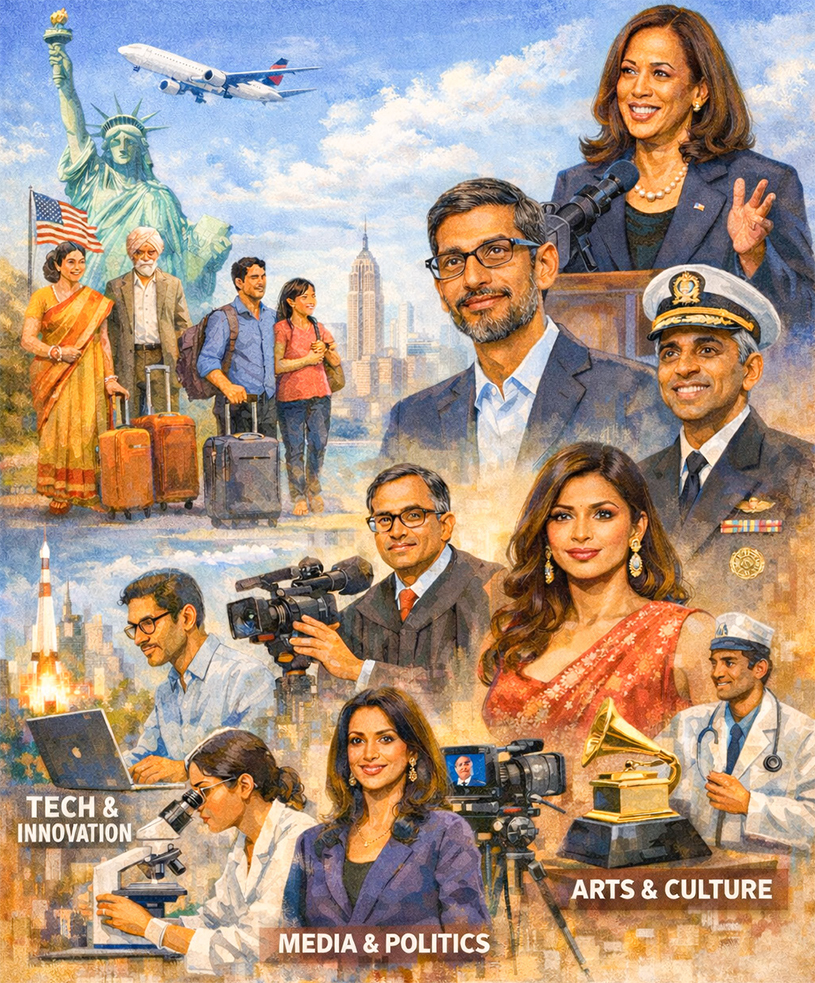
At the same time, another phenomenon took root: Indian-American dominance in the motel and hospitality sector. Families invested in small motels, worked them around the clock, lived on the property, and gradually expanded. It was not an easy life—but it created economic stability. It also demonstrated something deeper: Indian-Americans could succeed not only through degrees, but through grit, entrepreneurship, and family labor.
That first wave built the foundation. The next wave built influence.
Silicon Valley, Startups, and the Leap into National Power
As technology surged and America bec qdcame increasingly digital, Indian-Americans entered the field not as spectators, but as architects. The community’s strong STEM representation met a historic moment: the growth of the internet, software, cloud computing, AI, and the startup economy.
Over time, Indian-Americans rose into leadership positions in major corporations and became prominent founders in the startup ecosystem. The tech pathway became a second major engine of upward mobility—especially for the second generation, which had U.S. cultural fluency alongside inherited discipline.
By the 2000s and 2010s, Indian-American presence in technology was widely acknowledged. By the 2020s, it became unavoidable.
The shift was not merely economic. It was symbolic. When Indian-Americans lead companies that influence how billions of people communicate, learn, shop, and work, they are not just “successful.” They are shaping modern civilization.
Technology and Innovation: The Silicon Valley Powerhouse
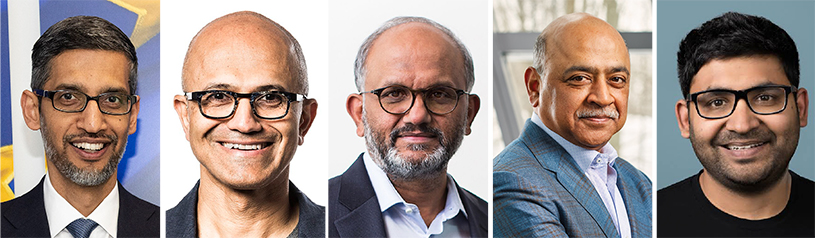
Few communities have had as transformative an effect on the tech world as Indian Americans. From the circuit boards of the 1980s to the cloud computing empires of today, Indian-origin technologists have been central to the growth of the U.S. tech industry.
Leading tech giants are helmed by Indian-origin CEOs:
- Sundar Pichai of Google (Alphabet),
- Satya Nadella of Microsoft,
- Shantanu Narayen of Adobe,
- Arvind Krishna of IBM, and
- Parag Agrawal, former CEO of Twitter.
Their ascent is not just a personal achievement—it reflects a deep cultural reverence for STEM education, dating back to post-independence India’s focus on engineering and science. Many of these executives are alumni of India’s prestigious IITs (Indian Institutes of Technology), and they bring a global, innovation-first mindset that has helped shape Silicon Valley’s future.
“Indian Americans are not just CEOs—they are also startup founders, investors, and engineers. Nearly 8% of all tech startups in the U.S. are founded by Indian Americans.” Venture capitalists like Vinod Khosla and angel investors like Kavitark Ram Shriram (an early backer of Google) have backed some of the most successful startups globally.
This leadership has earned Indian Americans the informal title of the “Indian tech mafia,” a nod to their networking strength, collaborative mentorship, and influence on the future of innovation
Business and Entrepreneurship: Building Enterprises and Creating Wealth
 Indian Americans are not just climbing corporate ladders—they are building the ladders themselves. From small businesses to global corporations, Indian-origin entrepreneurs have carved a formidable niche.
Examples of top business leaders include:
- Indra Nooyi, former CEO of PepsiCo, who transformed the company’s portfolio and made it one of the most sustainability-conscious corporations.
- Ajay Banga, the current President of the World Bank and former CEO of Mastercard, who emphasized financial inclusion and digital banking.
- Rakesh Gangwal, co-founder of IndiGo Airlines and a major philanthropist in education and healthcare.
In venture capital, Indian Americans are also making a splash. Firms like Khosla Ventures, Mayfield Fund, and Nexus Venture Partners are backing the next generation of global startups. Platforms like TiE (The Indus Entrepreneurs) have helped thousands of aspiring founders gain mentorship and capital.
On the grassroots level, Indian Americans dominate sectors like hospitality. The Patel motel network is an iconic success story—Indian Americans (many with the last name Patel from Gujarat) own over 40% of motels in the U.S., employing tens of thousands and serving millions of travelers.
From gas stations and Dunkin’ Donuts franchises to fintech startups and biotech firms, Indian Americans are redefining entrepreneurship in the 21st century.
Culture and Media: From Stereotypes to Storytellers
 For many years, Indian Americans were portrayed through narrow, stereotypical lenses in American media—often reduced to taxi drivers, convenience store clerks, or nerdy side characters. That narrative is now being rewritten by a new generation of Indian American creators and performers who are proud of their heritage and bold in their storytelling.
From television to film to literature, Indian Americans are making waves:
- Mindy Kaling broke barriers as an actor, writer, and producer with shows like The Mindy Project and Never Have I Ever.
- Hasan Minhaj gained fame with Patriot Act, blending comedy and social commentary.
- Kal Penn, known for his acting and White House role, represents both Hollywood and public service.
- Padma Lakshmi, host of Top Chef, advocates for immigrant rights and food justice.
Indian American writers like Jhumpa Lahiri, Chitra Banerjee Divakaruni, and Akhil Sharma explore themes of migration, assimilation, and cultural duality. Their works have won Pulitzers, Booker nominations, and spots on bestseller lists.
Indian culture is now mainstream. Diwali is celebrated in the White House. Yoga is a multi-billion-dollar industry. Indian food is on every block in urban America. Bollywood collaborations with Hollywood are common, and sarees walk red carpets.
This cultural soft power is more than aesthetic—it is transformative, helping redefine what it means to be American.
Philanthropy and Civic Engagement: Quiet Giving, Enduring Impact
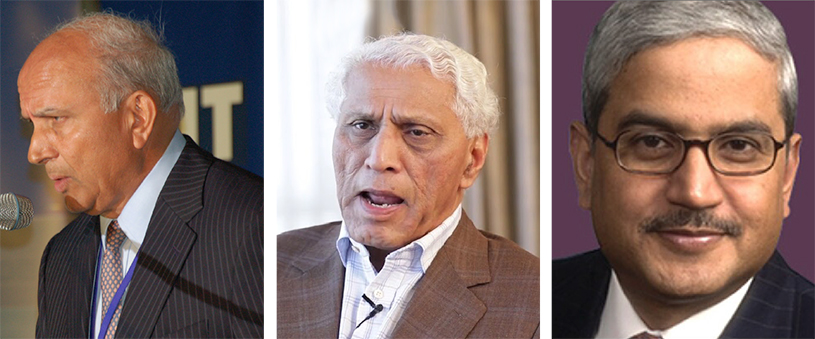
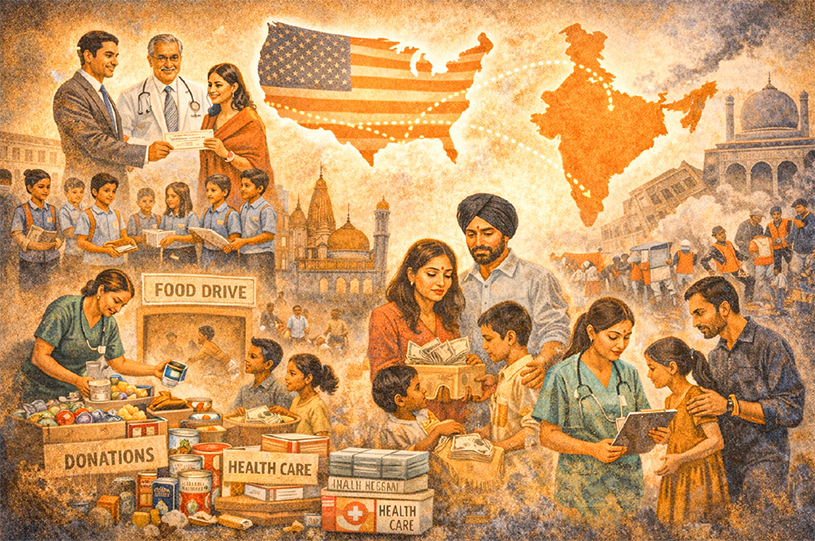 Indian-American success has been accompanied by a powerful culture of philanthropy and civic responsibility—often practiced quietly, yet delivering extraordinary impact. Giving within the community spans education, healthcare, disaster relief, food security, children’s welfare, and sustained support for temples and community institutions, with contributions flowing to causes in both the United States and India.
“This generosity reflects deeply rooted cultural values of seva (service) and dāna (charity). Many families give through grassroots efforts and religious or community organizations, while prominent leaders have scaled their philanthropy to create long-term, systemic change.”
Visionaries such as Romesh Wadhwani, founder of the Wadhwani Foundation; Prem Watsa, CEO of Fairfax Financial; and Rakesh Gangwal, co-founder of IndiGo Airlines, have made substantial contributions to education, entrepreneurship, healthcare, and public welfare. Alongside them, leaders like Atal Bansal and Dr. Kiran & Pallavi Patel have played pivotal roles in advancing healthcare, medical education, community development, and civic initiatives, further strengthening the philanthropic footprint of the Indian-American community.
The community’s responsiveness was especially evident during the COVID-19 pandemic, when Indian-American organizations rapidly mobilized to fund PPE supplies, vaccination drives, food assistance programs, and critical medical aid—both locally and in India during its most severe crisis.
Beyond charitable giving, Indian Americans are increasingly active in civic life, leading voter registration drives, youth leadership programs, and advocacy efforts related to public health, education, climate awareness, and social justice. Together, these philanthropic and civic endeavors illustrate a defining truth: Indian-American contributions extend far beyond economic success, shaping a legacy of service, responsibility, and nation-building on both sides of the globe.
From Model Minority to Political Force
 For many decades, Indian-Americans were praised as a “model minority”—a label that sounded flattering but carried a hidden cost. It implied quiet success without civic voice. It often erased struggles and downplayed discrimination. It also positioned Indian-Americans as outsiders who “do well” but do not truly “belong” in leadership.
That has changed dramatically.
Indian-Americans are increasingly present in:
- local and state governments
- federal advisory roles
- judicial and policy institutions
- public advocacy networks
This political ascent reflects a generational shift. The first generation focused on stability. The second generation increasingly seeks representation. The third generation is learning to combine success with civic responsibility.
Influence is no longer limited to economic spheres. It is now electoral, cultural, and institutional.
Culture and Confidence: The New Indian-American Identity
One of the most profound changes in Indian-American life is cultural confidence.
In earlier decades, many Indian-American families quietly practiced their traditions—temple visits, festivals, prayers, language, and food—often within the private sphere. Some children felt pressure to “fit in” by minimizing what made them different. Many grew up balancing pride with awkwardness.
Today, a new reality is emerging:
- Diwali is mainstream and publicly recognized in many places.
- Yoga and Ayurveda are part of popular wellness culture.
- Indian food is not “foreign” anymore—it is fashionable.
- Indian fashion, music, dance, and cinema have global reach.
Indian-Americans are increasingly comfortable saying: “I can be fully American and fully Indian.” Not halfway. Not diluted. Fully.
This cultural confidence is not only personal—it is political. Communities with confidence advocate more strongly for their interests, their representation, and their dignity.
Youth and Education: The Next Generation Rising
 The children of Indian immigrants—many born and raised in the U.S.—are now entering adulthood with a remarkable blend of traditional values and modern ambition. They’re equally comfortable performing Bharatanatyam and playing cricket as they are with coding in Python or engaging in civic debates. This generation is broadening the scope of what it means to be Indian American, pursuing excellence in diverse arenas and redefining success on their own terms.
“Indian American students continue to shine in academic and intellectual competitions. From the Scripps National Spelling Bee, where they’ve claimed over 20 titles in the past 25 years, to STEM contests like the Regeneron Science Talent Search, Intel ISEF, Math Olympiads, and robotics competitions, their brilliance is evident.” Many also take active roles in debate, public speaking, and community service.
Their presence in elite institutions—Harvard, Stanford, MIT, Yale, and others—is growing, not just in numbers but in impact. Today’s Indian American youth are pursuing careers in medicine, law, tech, and business—but increasingly also in public policy, journalism, activism, and the arts. Here are four shining examples of young Indian Americans redefining success:
1. Vaneeza Rupani – NASA’s Ingenuity Mars Helicopter
In 2020, Vaneeza Rupani, a high school student from Northport, Alabama, made national headlines when her winning essay earned her the historic opportunity to name NASA’s Mars helicopter—Ingenuity. As part of NASA’s “Name the Rover” essay contest, Vaneeza’s submission beat out thousands of entries from across the U.S. Her essay explained that “ingenuity” represents the power of innovation and creativity, especially under challenging conditions—qualities that have defined space exploration.
A daughter of Indian immigrants, Vaneeza’s achievement is symbolic of how Indian American youth are excelling in STEM not just academically, but also as thought leaders and communicators. Her recognition by NASA highlights how this generation is blending intellect with imagination, stepping confidently into global conversations.
Vaneeza has expressed aspirations to work in aerospace engineering or astrobiology, continuing her fascination with space. Her story has been celebrated in STEM education circles, particularly for inspiring more young girls—especially from minority backgrounds—to see themselves in science. With the word “Ingenuity” etched into NASA’s space exploration history, Vaneeza has already left a permanent mark on humanity’s journey beyond Earth.
2. Zaila Avant-garde – Scripps Spelling Bee Champion (with Indian American coaching)
Though Zaila Avant-garde, the 2021 Scripps National Spelling Bee champion, is not of Indian descent herself, her historic win was significantly influenced by the Indian American spelling bee coaching ecosystem. Zaila trained with Cole Shaan and Nihar Janga, both former Indian American spelling bee champions and mentors. This mentorship reflects a broader culture of excellence and support fostered by Indian American youth over decades.
To illustrate this culture more directly, consider Abhijay Kodali, who finished as a finalist in the 2021 Scripps Bee and had placed in previous years. Abhijay exemplifies the academic consistency and discipline common among Indian American students. He studied several hours daily, focusing not just on memorization but on understanding word origins, roots, and linguistic patterns.
This sustained excellence is also supported by programs like North South Foundation and South Asian Spelling Bee, which nurture talent from a young age. Abhijay and his peers are a testament to how community-based initiatives can generate global academic leaders.
These young spellers, many under 14, show that academic pursuit in the Indian American community is as much about passion and play as it is about performance.
Avanti Nagral – Harvard Student, Singer, and Activist
Avanti Nagral is a groundbreaking Indian American youth voice who defies traditional career paths. A Harvard graduate with a dual degree in psychology and global health, Avanti is also an internationally recognized singer-songwriter and content creator. Her music fuses Western pop and Indian classical elements, addressing themes like mental health, gender equity, and identity.
Born in Boston and raised between the U.S. and Mumbai, Avanti epitomizes the hybrid cultural upbringing of many Indian Americans. She was the first person to pursue a dual degree at Harvard and Berklee College of Music—blending academics with the arts in a way rarely seen.
Beyond performance, Avanti is a social impact advocate. Her YouTube channel features candid conversations about mental health, sexuality, and education. She has collaborated with global organizations like the UN, Global Citizen, and UNICEF, using her platform to speak on Gen Z issues with authenticity and empathy.
Avanti’s career trajectory breaks the “doctor-engineer” mold often associated with Indian American youth. She represents a new wave—one that values creativity, advocacy, and expression as equally powerful tools for shaping society. In doing so, she has become a role model for millions of South Asian teens worldwide.
Arjun Raj – Regeneron Finalist and Cancer Researcher
Arjun Raj, a high school student from Illinois, made headlines in 2022 as one of the top 40 finalists in the Regeneron Science Talent Search, one of the nation’s oldest and most prestigious STEM competitions. His project, focused on computational modeling of cancer cell mutation pathways, combined biology, data science, and AI—fields at the cutting edge of modern medicine.
Arjun’s research has implications for understanding how cancers evolve resistance to treatment, and his findings were strong enough to gain attention from university labs and scientific mentors. But what sets Arjun apart is not just the science—it’s his drive to use his knowledge for real-world impact.
A first-generation Indian American, Arjun credits his parents, both healthcare professionals, for inspiring his interest in science and service. In addition to his research, he volunteers at local clinics, mentors younger STEM students, and organizes coding bootcamps for middle schoolers in underprivileged areas.
His academic journey reflects the values of many Indian American families: excellence in education paired with a commitment to community upliftment. Arjun plans to pursue bioengineering and public health at the university level. He stands as a beacon of how Indian American youth are not just achieving—but giving back in meaningful ways.
The Backlash: When Success Triggers Resentment
No honest feature about Indian-American rise can avoid the uncomfortable truth: visibility invites backlash.
As Indian-Americans have become more prominent, certain segments of the American extreme right have responded with suspicion, resentment, and in some cases open hostility. This is not universal among conservatives, and many Indian-Americans themselves are politically diverse. But in recent years, a strain of nativist rhetoric—especially from parts of the MAGA-aligned ecosystem—has increasingly targeted immigrants, high-skilled visa holders, and minority communities perceived as “outsiders.”
Online Hate and Open Racism
A growing number of Indian-Americans have reported being targeted by racist rhetoric online. Some observers and advocacy groups have pointed to rising hostility aimed specifically at South Asian communities, connecting political rhetoric with social harassment.
This hostility can be especially jarring for Indian-American conservatives who believed alignment with right-wing politics would shield them from racial targeting. In several highly publicized online episodes, even prominent pro-Trump Indian-American voices described shock at the language and intensity of racism directed at Indians.
Hate Incidents Remain a Serious Concern
Civil rights groups tracking hate crimes and hate incidents have warned that anti-Asian hate remains alarmingly high compared to pre-pandemic levels, even when year-to-year numbers fluctuate.
While “Asian” is broad and diverse, the data and anecdotal reporting underscore a wider environment in which South Asians can become targets—especially during moments of political agitation.
Trump Administration Actions and Their Ripple Effects
In 2025, Donald Trump began a second term as U.S. president.
His administration’s policy direction—particularly on immigration and federal governance—has had direct and indirect consequences for Indian-Americans, especially for families connected to high-skilled immigration pathways and international education.
1) A New H-1B Reality: The $100,000 Fee
 One of the most consequential developments for Indian professionals has been the creation of a $100,000 fee tied to many new H-1B petitions under a presidential proclamation issued in September 2025, with implementation details later clarified by USCIS and discussed widely by policy organizations.
Legal challenges have followed. A Reuters report described a federal judge’s skepticism during arguments over whether such a major fee can be imposed via executive authority, highlighting the high stakes for employers and universities who depend on high-skilled talent.
For Indian-Americans, this is not an abstract policy debate. It affects:
- employer willingness to sponsor visas
- mobility for young professionals
- the ability of families to plan stable futures
- America’s attractiveness as a destination for global talent
2) Visa Processing Disruptions and Expanded Vetting
In December 2025, multiple reports described H-1B visa holders traveling to India for routine visa renewals and then being stranded due to canceled appointments and significant delays, with attorneys and workers describing major uncertainty.
Reports also pointed to stricter social media review policies and interview backlogs affecting timelines.
For Indian-American families and employers, such disruptions create:
- project delays and employment uncertainty
- family separation stress
- financial instability due to travel and lost work time
3) Immigration Crackdown Expansion
A Reuters report published December 21, 2025 described plans to intensify immigration enforcement into 2026, including major funding increases and expanded enforcement capacity, amid public backlash and political risks.
While high-skilled legal immigrants are different from undocumented immigration, broad crackdowns often create “spillover fear”—and heighten hostility toward immigrants generally.
The Indian-American Response: Adaptation, Not Panic
The community response to backlash and policy shifts has not been uniform—but it has been instructive.
Indian-Americans have historically responded to barriers in a specific way:
- Adapt quickly (change strategies, legal pathways, education routes)
- Build institutions (associations, advocacy groups, professional networks)
- Invest in long-term security (citizenship, stable careers, community cohesion)
That pattern continues.
- Immigration lawyers, universities, and employers are increasingly vocal about high-skilled visa disruptions and cost increases because they affect U.S. competitiveness.
- Advocacy organizations are documenting hate patterns, connecting rhetoric to harm, and pushing for accountability.
- Families are advising their children: succeed, yes—but also participate. Vote. Engage. Serve. Speak.
The Silence Problem: When a Community Does Not Speak Loudly Enough
 One uncomfortable truth must be acknowledged: Indian-Americans, as a collective, have often been slow to speak up when confronted with public backlash or cultural disrespect. A telling example emerged when Kash Patel—an Indian-American appointed to the position of FBI Director—posted a simple “Happy Diwali” message on social media. What followed was a predictable wave of online hostility, ridicule, and racially charged commentary. Yet the response from the Indian-American community, as a unified group, was muted. There were individual voices, scattered defenses, and isolated outrage—but no sustained, organized pushback that matched the scale of the attack.
This silence stands in stark contrast to how other communities, particularly the Jewish community, respond to similar incidents. When Jewish identity, faith, or cultural observances are publicly targeted or trivialized, institutional organizations, advocacy groups, elected officials, and media voices respond quickly and forcefully. Statements are issued. Pressure is applied. The message is clear: silence will not be tolerated. Indian-Americans, despite their growing numbers, influence, and resources, have not yet developed this reflex of collective defense—especially when the issue is cultural dignity rather than immediate policy.
Equally troubling was the silence from the Trump administration itself. There was no clear condemnation of the racially charged backlash, no reaffirmation that celebrating Diwali—or any faith tradition—is part of America’s pluralistic fabric. For a community that has contributed enormously to national security, technology, healthcare, and governance, this absence of reassurance was deeply revealing. It reinforced a hard lesson Indian-Americans are still learning: economic success does not automatically translate into cultural protection. If a community does not consistently speak for itself—clearly, confidently, and collectively—others will define the narrative, often unfairly.
Indian-Americans Are Not a Drain—They Are a Dividend
At a time when immigration is often framed as an economic burden, rigorous data tells a very different story about Indian-Americans. A landmark 2025 study by the Manhattan Institute, authored by economist Daniel Di Martino, concludes that Indian immigrants and their descendants are the most fiscally beneficial immigrant group in the United States. Over a 30-year period, each Indian immigrant contributes a net $1.6 to $1.7 million surplus to the federal balance sheet—reducing national debt while expanding GDP. In an era when America’s national debt has crossed $38 trillion, these findings are not ideological—they are arithmetic. Indian immigrants do not strain public resources; they strengthen them.
“The study further highlights the extraordinary impact of H-1B visa holders, many of whom are Indian professionals in technology, medicine, engineering, and finance. Each H-1B worker reduces U.S.” national debt by an estimated $2.3 million and adds roughly $500,000 in GDP growth over three decades—the highest fiscal contribution of any visa category ever recorded. The reasons are straightforward: Indian immigrants arrive young, highly educated, workforce-ready, and overwhelmingly self-sufficient. They pay far more in taxes than they ever consume in benefits, create jobs through entrepreneurship, and raise children who outperform national averages in education and income. In purely fiscal terms, the Manhattan Institute’s conclusion is unequivocal: if America were to design immigration policy around long-term national interest, Indian immigrants would be the gold standard.
From Immigrants to Influencers: The Real Meaning of the “Second Rise”
 The first rise of Indian-Americans was measurable: degrees, jobs, income, businesses.
The second rise is more profound: influence.
Influence means:
- shaping how America thinks
- shaping what America builds
- shaping who America elects
- shaping what America values
And influence requires visibility. Visibility invites both admiration and resistance. That is the cost of entering the national stage.
Indian-Americans are no longer a quiet community working hard behind the scenes. They are now part of America’s leadership conversation—and America’s cultural argument.
That is why this is “Rise and Rise,” not merely “Rise.”
The Next Chapter: What Comes After Influence?
If the last fifty years were about arriving and achieving, the next fifty years may be about stewarding and shaping.
Key questions now face the community:
Can Indian-Americans turn professional success into civic unity?
A community can be wealthy yet fragmented. Political influence requires coalition-building and shared priorities.
Can Indian-Americans protect cultural roots without becoming insular?
The future belongs to those who can preserve identity while building bridges.
Can the next generation embrace heritage with confidence—not guilt?
Young Indian-Americans should not feel they must choose between belonging and authenticity.
Can Indian-Americans respond to backlash with wisdom—not fear?
The smartest response to hostility is not withdrawal. It is participation: in schools, in councils, in media, in civic life.
A Story Bigger Than Success
The rise of Indian-Americans is not simply a tale of personal achievement. It is a story of:
- migration and transformation
- sacrifice and strategy
- culture and confidence
- resilience in the face of backlash
- and an expanding role in America’s future
Indian-Americans are not rising to replace anyone. They are rising to contribute—through innovation, service, healing, leadership, and cultural enrichment.
And as history repeatedly shows: when a community contributes deeply to a nation’s progress, it earns something more valuable than status.
It earns belonging.
That is the true rise.
And that is why it continues.
About the Author:
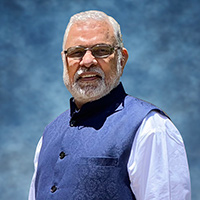 Raj Shah Software by profession, Indian culture enthusiast, ardent promoter of hinduism, and a cancer survivor, Raj Shah is a managing editor of Desh-Videsh Magazine and co-founder of Desh Videsh Media Group. Promoting the rich culture and heritage of India and Hinduism has been his motto ever since he arrived in the US in 1969.
He has been instrumental in starting and promoting several community organizations such as the Indian Religious and Cultural Center and International Hindu University. Raj has written two books on Hinduism titled Chronology of Hinduism and Understanding Hinduism. He has also written several children books focusing on Hindu culture and religion.