
Indian Americans and the 2026 Midterms
By Raj Shah
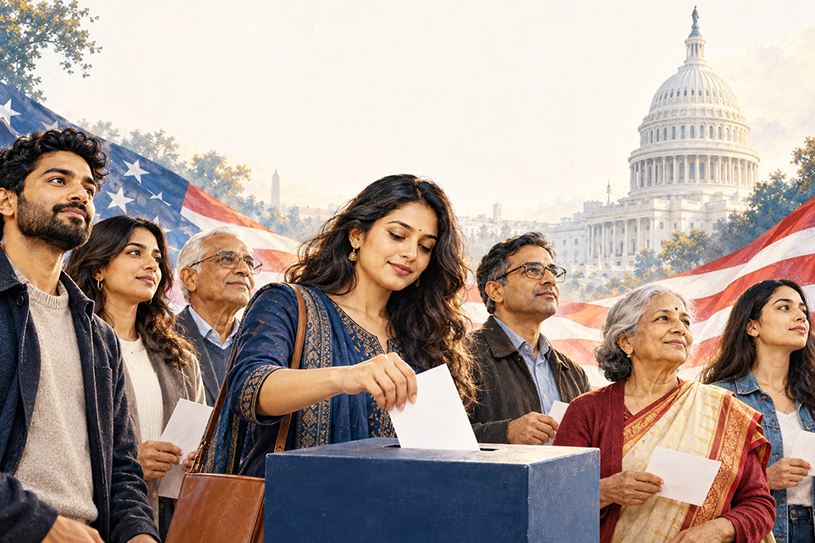
For many Indian American families, life in America has centered on everyday responsibilities: finding work, educating children, starting businesses, and becoming part of a neighborhood. Politics often enters the conversation when a government decision reaches the household. A change in healthcare policy affects a parent’s treatment. A school board decision affects a child’s classroom. An immigration rule creates uncertainty for a colleague or relative.
In 2026, questions about belonging have become harder to overlook. Public hostility toward people of Indian and other South Asian backgrounds is receiving increased attention. Online abuse and racial stereotypes have brought uncomfortable conversations into homes where families once felt removed from arguments about who belongs in America.
The November midterms arrive against this background. Readers need accurate information about the hostility being reported and the candidates seeking office. They also deserve clear explanations of what those offices can accomplish.
Every eligible citizen is obligated to approach these elections with seriousness. Verify your registration. Examine the candidates. Make a plan to vote. Government decisions affect our lives long after campaign advertisements disappear.
What Recent Research Shows
 Reports released this September document troubling patterns. The Center for the Study of Organized Hate examined online hostility toward South Asian Americans across several platforms. Its research describes racial insults and narratives portraying South Asians as demographic threats. The report covers people of Indian, Pakistani, Bangladeshi, and other South Asian backgrounds.
A separate brief from Stop AAPI Hate found that anti-South Asian slurs increased by 109 percent between January 2023 and December 2025 in the online spaces it monitored. That figure measures activity in those spaces. It does not measure the views of the entire American population or the national incidence of hate crimes.
Those distinctions matter. A disturbing social media post may reach thousands of people, but its circulation alone cannot establish how widely its views are shared. Research about South Asians includes Indian Americans while also covering communities with different backgrounds and experiences.
Careful reporting should explain these limits while giving the documented hostility the attention it deserves. Racial insults have consequences for the people who encounter them, even when researchers cannot measure every effect.
Questions about immigration policy, visa programs, and employment deserve factual examination. People can disagree about those policies and ask the government to explain its decisions. Racial stereotypes distort the discussion by placing suspicion on individuals because of their ancestry, regardless of their actual circumstances.
The DHS “Mr. Singh” Post Deserves Scrutiny
 A recent Department of Homeland Security post shows why the language used by public agencies deserves close examination.
On September 9, 2026, DHS shared a Transformers-style image that included the words, “Get off our roads; you don’t know how to drive, Mr. Singh.” It also carried the warning, “Self-deport or find out.” The wording differed from “Mr. Singh, go home,” although the post’s message prompted concerns about exclusion and racial stereotyping.
Sikh and Hindu advocacy groups criticized the post. Representative Raja Krishnamoorthi also condemned it publicly. Subsequently, Krishnamoorthi, Shri Thanedar, Suhas Subramanyam, Pramila Jayapal, and Ami Bera criticized the now-deleted post for using Sikh identity to portray a dangerous, unwanted foreigner.
A federal agency has a responsibility to enforce the law and explain its actions accurately. Its public communications carry the authority of the government. When those communications use threatening language linked to a name from a recognizable community, it raises valid questions about the agency’s judgment.
A surname cannot establish someone’s immigration status or driving ability. Allegations against an individual require evidence and consideration under the applicable law. Government messaging should exercise the same care.
Indian Americans and other South Asian Americans have differing citizenship and immigration statuses. Many are U.S. citizens. Others live here lawfully under different arrangements. Their circumstances cannot be read from a name or appearance.
Criticism of the DHS post deserves a substantive response. Public agencies should explain how they will communicate about enforcement without encouraging suspicion toward people who share a surname, faith, or appearance with someone featured in a campaign.
What Is at Stake in November?
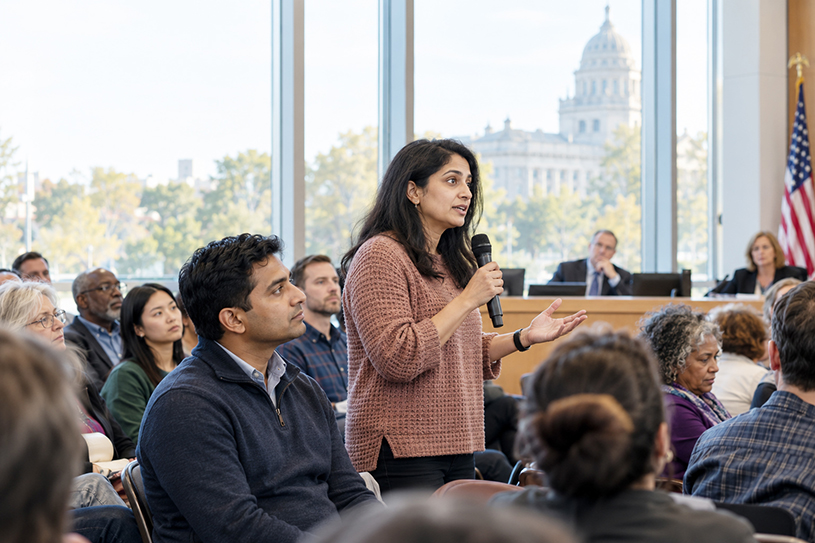
The general election takes place on November 3, 2026. All 435 seats in the U.S. House of Representatives are up for election. Candidates are contesting all 435 seats in the U.S. House of Representatives, along with Senate races and numerous state and local elections.
The offices on a ballot have different powers. Congress shapes federal legislation and spending. State governments oversee major areas of education and public administration. Local officials make decisions involving services, development, and community facilities.
These responsibilities affect ordinary households. They also help voters assess campaign promises. When a candidate proposes a change, ask whether the office has the authority to carry it out. How would the proposal be funded? Whose cooperation would be required?
A forceful speech can leave those questions unanswered.
Readers following several races should also examine whether candidates have addressed the concerns of their constituencies. National visibility does not establish how someone would perform the work of a particular office. Local interviews and public meetings can reveal whether a candidate understands the people seeking representation.
Register, Vote, and Expect Answers
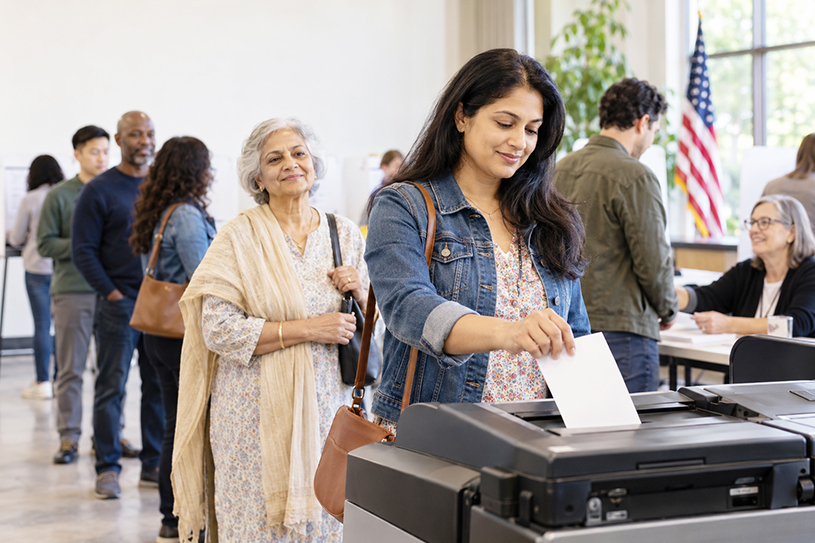 Every eligible citizen should treat voting as a responsibility that requires preparation. Waiting until the last moment can create avoidable problems with registration, an outdated address, or uncertainty about where and how to vote.
Check your registration now. Confirm that your information is current. Learn your state’s deadlines and voting options, then make a plan you can follow. Vote.gov connects residents with official resources for registration, checking their status, early voting, and mail-in or absentee voting.
Anyone who can vote and faces no obstacle to participating should ask a direct question before sitting out: why am I leaving this decision to other people?
Complaining about elected officials while repeatedly choosing to avoid elections deserves scrutiny. Everyone retains the right to criticize the government and challenge discrimination, whether they vote or not. At the same time, eligible citizens who demand accountability from officials should be prepared to exercise their responsibility when an election arrives.
Anger expressed in a family conversation or on social media does not cast a ballot.
Some citizens face genuine barriers to participation. They deserve reliable information and practical assistance with the voting arrangements available to them. For those who can participate, the next step is straightforward: study the choices and vote.
Candidates should earn support through their records and proposals. Ask how candidates respond to racial stereotyping, what they plan to do about your concerns, and whether their promises align with the powers of the office. A familiar name should never replace that examination.
Participation Beyond the Ballot
Voting, campaign volunteering, and political contributions involve different requirements. Those differences are particularly relevant in immigrant households where family members may have different citizenship or residency statuses.
Voting eligibility and registration are governed by applicable state and federal rules. Registration deadlines and early voting arrangements vary by state. Residents should consult official election resources for requirements that apply to them.
Campaign volunteers may assist with events or administrative work. Election workers perform a separate function, helping election officials administer the voting process. Attending public meetings provides another way to learn about government decisions without joining a campaign.
Political donations carry additional legal requirements. Under federal election rules, U.S. citizens and lawful permanent residents may contribute, subject to applicable restrictions. Foreign nationals cannot make election contributions. Certain uncompensated volunteer activities are permitted, but foreign nationals cannot participate in election-related decision-making.
Indian ancestry does not establish voting eligibility. Eligibility to contribute does not necessarily establish eligibility to vote. Each person needs to understand the rules governing their status and the activity they are considering.
Indian American Candidates to Watch
Several Indian Americans are competing in prominent November races.
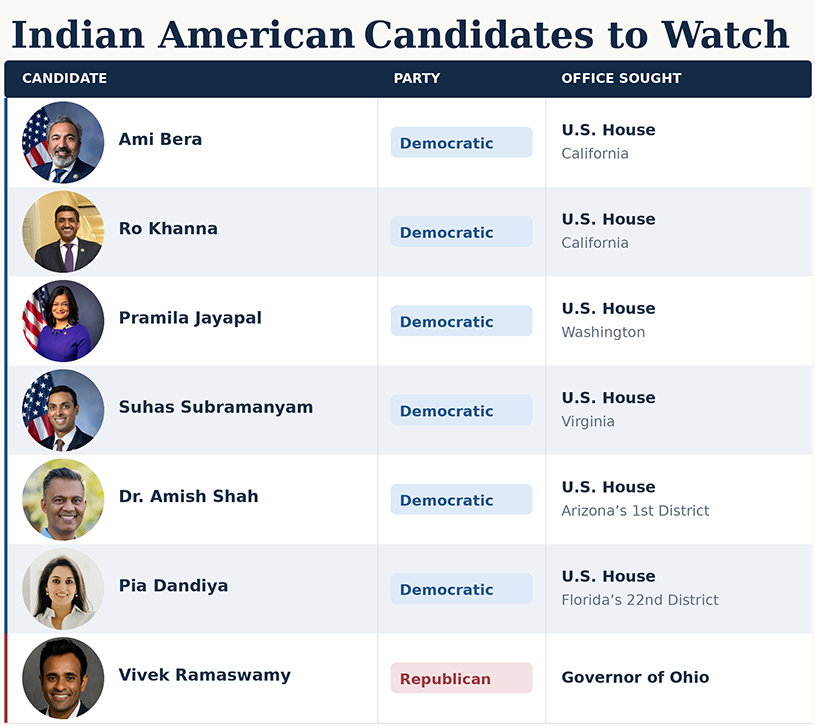
Bera, Khanna, Jayapal, and Subramanyam are incumbent representatives seeking reelection. Shah won Arizona’s Democratic primary and faces Republican Jay Feely. Dandiya secured her Democratic nomination in Florida, while Ramaswamy is Ohio’s Republican gubernatorial nominee against Democrat Amy Acton.
At the state level, Indian American Impact’s 2026 roster includes Arvind Venkat in Pennsylvania, Darshana Patel in California, Ranjeev Puri in Michigan, and Priya Sundareshan in Arizona. Nabeela Syed appears on the November candidate list for the Illinois Senate.
The roster covers the election cycle and should not be treated as proof that every listed candidate advanced through a primary. Readers following a particular contest should distinguish an election-cycle listing from a confirmed place on the November ballot.
Some well-known campaigns have ended. Raja Krishnamoorthi lost the Democratic Senate primary in Illinois. Shri Thanedar lost his congressional primary in Michigan. Saikat Chakrabarti and Jasmeet Bains did not advance to November in California.
Those outcomes belong in the coverage, too. Familiarity from an earlier campaign does not mean a candidate remains in the race.
Pia Dandiya’s Race Becomes More Competitive
 For South Florida readers, Pia Dandiya’s campaign is particularly relevant. The Indian American educator won the Democratic primary for Florida’s 22nd Congressional District and faces Republican Casey Askar.
On September 25, Cook Political Report changed its assessment from “Lean Republican” to “Toss Up.” Its race summary describes a close contest. The shift indicates increased competitiveness; it does not establish that Dandiya is ahead or predict a certain outcome.
The newly drawn district covers parts of Palm Beach, Broward, Hendry, and Collier counties. It includes Wellington and Parkland and extends west toward Marco Island, bringing together communities with differing priorities.
Both candidates are seeking to represent that constituency. Coverage should examine their proposals and records, including their responses to questions from residents across the district.
A changing race rating is a significant news development. Voters need to know what candidates plan to do in office and how they will address their concerns.
Reporting With Care
 Indian Americans bring differing political opinions and experiences to public life. Community journalism serves readers best when it reflects those differences, verifies claims, and clearly separates reporting from endorsement.
The concerns surrounding hostility deserve sustained attention. So do the decisions that shape schools, businesses, and family budgets. Readers should receive enough information to assess both without an assumption that shared ancestry produces a single political viewpoint.
Public officials and candidates should anticipate a thorough examination of their words. When a government agency publishes imagery that draws accusations of racial stereotyping, the response belongs in the coverage. When candidates make promises, their authority to deliver them belongs there as well.
That scrutiny should continue after the votes are counted.
Closing Thought
Every eligible citizen reading this should check their registration and make a plan to vote. If you expect elected officials to answer for their decisions, take the time to examine who is asking for your support. Raise your questions before the election and follow what the winners do afterward. Everyone retains the right to speak against discrimination and criticize the government. Those who can cast a ballot also have a concrete opportunity to help choose the people exercising public authority, and they should take that opportunity seriously.
About the Author:
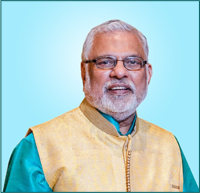 A software engineer by profession, Indian culture enthusiast, ardent promoter of Hinduism, and a cancer survivor, Raj Shah is a managing editor of Desh-Videsh Magazine and co-founder of Desh Videsh Media Group. Promoting the rich culture and heritage of India and Hinduism has been his motto ever since he arrived in the US in 1969.
He has been instrumental in starting and promoting several community organizations such as the Indian Religious and Cultural Center and International Hindu University. Raj has written two books on Hinduism titled Chronology of Hinduism and Understanding Hinduism. He has also written several children books focusing on Hindu culture and religion.