

Success, Stress, and Silent Disease: The Untold Health Story of Our Community
By Dr. Kavitha Reddy

Every April, the United States observes National Minority Health Month—a time dedicated to raising awareness about the persistent health disparities affecting minority populations. While the initiative broadly includes many racial and ethnic groups, its message carries a particular, piercing urgency for South Asian and Indo-Caribbean communities. This includes individuals of Indian, Pakistani, Bangladeshi, Sri Lankan, Nepali, Guyanese, Trinidadian, and Surinamese heritage.
For decades, these communities have been celebrated as “model minorities”—lauded for academic achievement, economic upward mobility, and professional excellence in fields like medicine, engineering, and technology. However, beneath this shimmering success story lies a quieter, more concerning reality: a growing health crisis that often remains hidden, undiagnosed, and untreated until it is too late.
National Minority Health Month is not merely a symbolic observance—it is a mirror held up to our collective face. It is a call to reflect on our lifestyle choices, recognize uncomfortable biological truths, and most importantly, move from passive awareness to urgent action.
The Hidden Health Crisis: The Statistical Reality

At first glance, South Asians and Indo-Caribbeans appear to be thriving. With a median household income often exceeding the national average and high levels of insurance coverage, one might assume health outcomes would follow suit. Yet, medical research and longitudinal studies, such as the MASALA Study (Mediators of Atherosclerosis in South Asians Living in America), reveal a starkly different story.
The MASALA study has been instrumental in highlighting that South Asians have higher levels of “bad” fats in the blood and higher coronary artery calcium scores, even when they appear lean.
The Cardiovascular Emergency
South Asians represent approximately 25% of the world’s population but account for a staggering 60% of the world’s heart disease cases. In the United States, South Asians have the highest age-adjusted mortality rate from coronary artery disease compared to any other ethnic group
- The Early Onset Phenomenon: South Asians develop heart disease, on average, 5 to 10 years earlier than other groups. It is no longer rare to see heart attacks in men and women in their late 30s or early 40s—individuals who are often at the peak of their professional careers and raising young families.
- The “Double Burden” of Cholesterol: We often have higher levels of lipoprotein(a), a genetically determined type of cholesterol that is highly inflammatory and not always captured in a standard lipid panel. When combined with low HDL (the “good” cholesterol), the risk for a cardiac event skyrockets.
The Diabetes Epidemic
The prevalence of Type 2 diabetes in South Asian and Indo-Caribbean communities is nearly double that of Caucasians. While the general U.S. population has a diabetes prevalence of roughly 10%, some studies suggest that for South Asians, that number climbs to 23% or higher.
Crucially, the “trigger” for diabetes occurs at a lower body mass index (BMI). While a BMI of 25 is considered the threshold for being “overweight” in the general population, the World Health Organization recommends a lower threshold of 23 for South Asians due to their unique metabolic risk profile. This means that a South Asian person who looks “fit” by Western standards may already be in a state of pre-diabetes.
Understanding the Root Causes: Biology, History, and Lifestyle
“The higher prevalence of chronic disease is the result of a complex “perfect storm” involving genetics, historical adaptation, and the sedentary nature of modern Western life.”
 The “Thin-Fat” Phenotype and Epigenetics
South Asians are biologically predisposed to accumulate visceral fat—fat stored deep within the abdominal cavity, wrapping around vital organs like the liver and pancreas. This results in the “thin-fat” or “metabolically obese, normal weight” (MONW) phenotype.
There is a fascinating theory in epigenetics called the “Thrifty Gene” hypothesis. It suggests that centuries of famines in the Indian subcontinent led to a genetic adaptation where the body became incredibly efficient at storing fat to survive periods of starvation. In the modern world of caloric abundance and low physical activity, this “thrifty” mechanism has become a liability, leading to rapid insulin resistance.
The Evolution of Diet and the “Carbohydrate Trap”
Food is the heartbeat of South Asian and Indo-Caribbean culture. It represents love, hospitality, and heritage. However, our traditional diet—which may have been sustainable for ancestors performing manual labor—is often poorly suited for a modern, sedentary office life.
- The High-Glycemic Load: White rice, naan, and potatoes are staples that cause massive spikes in blood glucose. Over time, the pancreas becomes exhausted, leading to Type 2 diabetes.
- Deep-Fried Traditions: From samosas to pakoras to pholourie, deep-frying is a common cooking method. The use of reused oils or trans fats contributes significantly to systemic inflammation and arterial plaque.
- The “Sugar Culture”: Desserts like gulab jamun or sweetened Caribbean “red solo” drinks are packed with refined sugars that directly fuel the obesity and diabetes crisis.
- Hidden Fats: The use of ghee, palm oil, and heavy coconut milk adds high levels of saturated fats.
- Indo-Caribbean Specifics: In Guyanese and Trinidadian households, the diet often includes a high intake of fried snacks (doubles, pholourie) and sugary beverages, which compounds the risk of hypertension and stroke.
The Sedentary Trap of Success
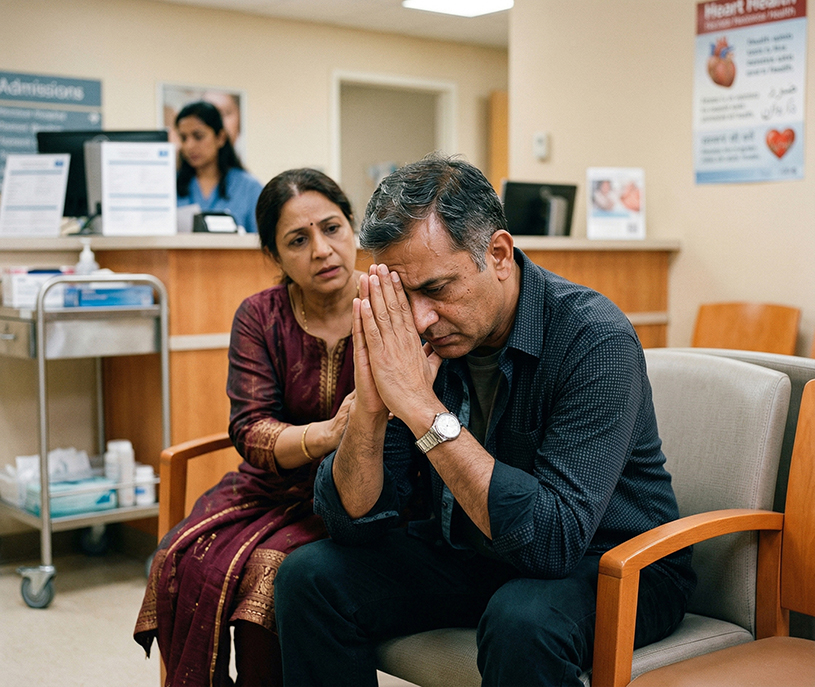
The immigrant experience in the U.S. often prioritizes professional productivity over physical activity. Many of us grew up with the mantra “Study hard, get a good job.” Physical education and sports were often viewed as “distractions” from academic excellence. Consequently, as we entered the workforce, we transitioned into high-stress, desk-bound roles. Exercise is often seen as a luxury or an optional hobby rather than a clinical necessity for survival.
The Silence Around Mental Health
“Perhaps the most neglected aspect of minority health is the mind. In our cultures, mental health is frequently shrouded in stigma and the dreaded social fear: “Log Kya Kahenge” (What will people say?).”
The Weight of Expectations
The pressure to uphold the “model minority” image creates a unique brand of chronic stress. Immigrants often carry the burden of supporting their family back home while navigating a new culture, while their children (the second and third generations) face the “bicultural squeeze”—trying to satisfy traditional parental expectations while fitting into American society. This leads to high rates of
- High-Functioning Anxiety: Appearing successful on the outside while crumbling internally.
- Imposter Syndrome: Especially in high-stakes professional environments.
- Caregiver Burnout: For women balancing careers with the care of elderly parents and children.
The Physical Manifestation of Mental Pain
Because mental illness is often mischaracterized as a lack of willpower, many individuals somatize their distress. They visit doctors for chronic headaches, back pain, or digestive issues when the root cause is actually untreated depression or trauma. We must normalize the idea that the brain is an organ, just like the heart, and it requires care and maintenance.
 The Myth of the “Model Minority” in Medicine
The “model minority” label is a dangerous double-edged sword. Because the community is perceived as affluent and healthy, public health funding and targeted research often bypass us.
The Danger of Aggregated Data
Many national health surveys aggregate all “Asians” into a single category. This masks the specific vulnerabilities of South Asians. For example, while East Asian populations may have lower rates of heart disease, South Asians have much higher rates. When data is “lumped” together, the South Asian health crisis becomes invisible to policymakers. We must advocate for disaggregated data to ensure our specific needs are addressed by the healthcare system and insurance providers.
Indo-Caribbean Communities: A Unique and Overlooked Challenge
The Indo-Caribbean community—descendants of indentured laborers who were moved from India to the Caribbean—faces a specific set of health hurdles.
Historical Trauma and Access
The history of indentureship involved extreme physical labor and limited nutritional resources, which further reinforced the “thrifty gene” adaptation. In the transition from the Caribbean to the United States, many Indo-Caribbeans faced additional socioeconomic barriers, leading to higher rates of hypertension and stroke compared to their mainland South Asian counterparts.
Dietary Specifics
The Indo-Caribbean diet is a unique fusion, but it often leans heavily on starches (roti, dhalpuri, and ground provisions) and high salt intake (salted fish and processed meats). Coupled with a higher prevalence of tobacco use in certain subgroups, the cardiovascular risk in this community is exceptionally high and requires targeted screening programs that are culturally specific.
Barriers to Healthcare Access: Why Knowledge Isn’t Enough
Even with insurance and high health literacy, access does not always equal quality or effective care. Several barriers persist:
- Cultural Incompetence: Doctors may not understand that a “vegetarian” South Asian diet can still be very unhealthy (high in fried dough and sugar). If a doctor gives generic advice like “Eat more whole grains” but doesn’t explain how that applies to daal or sabzi, the patient is unlikely to comply.
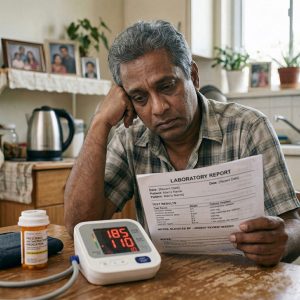
- The Preventive Gap: Many in our community only see the doctor when they feel “unwell.” We lack a culture of preventive maintenance. High blood pressure is the “silent killer” because you cannot feel it until it causes a stroke.
- Language and Literacy: For the elderly, navigating complex medical jargon in a second language can lead to medication errors. We need more patient navigators who speak Hindi, Urdu, Bengali, Punjabi, and Gujarati.
Women’s Health: The Unsung Pillar
 In many South Asian and Indo-Caribbean households, women are the primary caregivers, often placing their own health at the bottom of the priority list.
- PCOS and Insulin Resistance: Polycystic Ovary Syndrome is highly prevalent in South Asian women and is a major precursor to type 2 diabetes.
- Gestational Diabetes: South Asian women have some of the highest rates of gestational diabetes in the world. This is not just a pregnancy issue; it significantly increases the lifetime risk of diabetes for both the mother and the child.
- The “Silent” Menopause: Discussion of hormonal health is often taboo, leading many women to suffer through menopause without adequate support or HRT (Hormone Replacement Therapy) options that could protect their bone and heart health.
Empowering women to prioritize their health is not an act of selfishness; it is a necessity for the survival of the family unit.
The Role of Community, Faith, and Spirituality
Our traditions offer profound tools for wellness, but we must use them intentionally. Yoga and Pranayama (breathwork), which originated in the Indian subcontinent, are now globally recognized for reducing cortisol levels and improving cardiovascular health. Reclaiming these practices as part of a daily health regimen can bridge the gap between cultural heritage and modern medicine. Meditation and mindfulness can also serve as the first line of defense against the chronic stress that fuels inflammation.
 Faith-Based Outreach
Religious institutions (Mandirs, Mosques, Gurdwaras, and Churches) are the most trusted sources of information. They should be at the forefront of this wake-up call.
- Healthy Langar/Prasad: Encouraging the use of less sugar and more whole grains in community meals.
- Screening Days: Hosting blood pressure and glucose screenings after services.
Ancient Wisdom, Modern Science
Yoga and Pranayama (breathwork) are globally recognized for reducing cortisol (the stress hormone). High cortisol levels contribute to abdominal fat and high blood sugar. Reclaiming these practices as a daily health regimen can bridge the gap between our cultural heritage and modern preventive medicine.
A Comprehensive Action Plan: Moving from Awareness to Action
Small, consistent changes can literally save lives. Here is a granular guide for individuals and families:
 1. The Nutritional Audit
- The Plate Rule: Fill 50% of your plate with non-starchy vegetables (spinach, okra, bitter melon, and cauliflower). 25% should be protein (lentils, beans, tofu, or lean meats). Only 25% should be carbohydrates.
- Fats Matter: Swap butter and ghee for heart-healthy oils like olive or avocado oil for everyday cooking. Save the ghee for special occasions.
- The “White” Detox: Gradually reduce the consumption of white rice, white bread, and white sugar. Move toward brown rice, millets (like Bajra or Jowar), and oats.
2. Clinical Advocacy: Questions to Ask Your Doctor
Don’t wait for your doctor to bring it up. Use your voice during National Minority Health Month:
- “I am of South Asian descent. Can we screen my A1C and lipid panel even though my BMI is in the normal range?”
- “Can we test my lipoprotein(a) and ApoB levels to get a better picture of my heart health?”
- “I have a family history of early heart disease. Should I get a coronary calcium scan?”
3. The Movement Mandate
- The “Post-Meal Stroll”: Walking for just 10-15 minutes after a heavy meal can significantly reduce the glucose spike in your blood.
- Strength Training: Because we have less muscle mass on average, lifting weights or doing bodyweight exercises (like squats) is essential to improve insulin sensitivity. Muscle is the “sink” that absorbs excess sugar in the blood.
4. Normalizing Mental Health
- Open Dialogue: Start conversations with your children and parents. Ask, “How are you really feeling?” instead of just “How was work?”
- Professional Help: Seek out culturally sensitive therapists who understand the nuances of immigrant families.
Simple Steps Toward Transformation
Improving health does not require a total abandonment of culture. It requires evolution.
| Risk Factor | Cultural Modification |
|---|---|
| Dietary Spikes | Replace white rice with brown rice, quinoa, or cauliflower rice. |
| Healthy Fats | Use avocado oil or olive oil instead of ghee or vanaspati for daily cooking. |
| Physical Activity | Incorporate “family walks” after dinner, a practice that aids digestion and lowers glucose levels. |
| Portion Control | Use the “Plate Method”: Half the plate for vegetables, one-quarter for protein (lentils/meat), and only one-quarter for grains. |
| Monitoring | Buy a home blood pressure monitor and use it weekly. Knowledge is power. |
Community-Based Solutions: The Path Forward
 The solution to these disparities will not come solely from a doctor’s office; it must emerge from within our gurdwaras, mosques, temples, and community centers.
1. Faith-Based Outreach
Religious institutions are the most trusted sources of information in our communities. Imams, Pandits, and Granthis can play a pivotal role by:
- Integrating health messages into sermons.
- Hosting “Health Sabbaths” where blood pressure screenings are offered after services.
- Encouraging “Healthy Langars” or community meals that swap refined grains for whole grains and reduce sugar.
2. Culturally Relevant Education
Public health campaigns must use imagery and language that reflect the community. Telling a South Asian man to “eat more kale” may not be effective; telling him how to modify his daal and sabzi with less oil and more fiber is actionable.
3. Intergenerational Dialogue
The younger generation, often more health-conscious and “Western-educated” regarding fitness, must take an active role in the health of their elders. Having “the talk” about heart health is just as important as discussing career or marriage.
A Shared Responsibility
National Minority Health Month reminds us that health is a collective asset. When a father suffers a premature heart attack, the entire family suffers—economically, emotionally, and socially. When a grandmother manages her diabetes effectively, she remains present to pass down traditions to her grandchildren.
We must advocate for ourselves. We must ask our doctors for specific tests, such as:
- Lipoprotein(a) testing: A genetic marker for heart disease common in South Asians.
- ApoB levels: A more accurate measure of cardiovascular risk than standard LDL.
- Early Diabetes Screening: Insisting on an A1C test even if BMI is “normal.”
The Younger Generation: A Turning Point
The younger generation (Millennials and Gen Z) faces a unique duality. While they are at risk due to modern lifestyles, they are also the most informed. They are moving away from the “model minority” myth and demanding more from the healthcare system.
Young adults should take the lead in their families:
- Tech Literacy: Helping parents use wearable devices (like Apple Watches or Fitbits) to track steps and heart rates.
- Cooking Together: Introducing healthier versions of traditional recipes to parents and grandparents.
- Breaking the Stigma: Being open about their own therapy journeys to show elders that it is a tool for strength, not a sign of failure.
Why This Month Matters: Our Shared Responsibility
National Minority Health Month is more than a symbolic observance. It is an opportunity for reflection and structural change. It asks important questions about our priorities, our habits, and our willingness to adapt.
Ignoring these health disparities comes at a devastating cost—not only to individuals but also to the entire community. When a primary breadwinner suffers a stroke at 45, it destabilizes a family for generations. When a grandmother dies of preventable heart disease, a library of cultural knowledge and history is lost.
Health is not just a personal matter—it is a collective responsibility. Supporting each other, encouraging preventive care, and advocating for culturally competent healthcare can create lasting change.
Looking Ahead: A Healthier Future
 The future of South Asian and Indo-Caribbean communities in the United States depends on more than just our professional success. It depends on our vitality. We already possess strong cultural values, close-knit families, and access to immense knowledge. What is needed now is the courage to admit where we are failing and the discipline to change.
A Call to Action
As April marks National Minority Health Month, let this be the moment we move beyond awareness.
- Schedule that check-up today.
- Have that uncomfortable conversation about mental health.
- Walk that extra mile with your family.
- Prioritize your well-being as much as your career.
As we navigate through April, let this not be just another month of awareness. Let it be the month of the First Step.
- For the Youth: Start a conversation with your parents today about their last blood test.
- For the Professionals: Reclaim thirty minutes of your day for movement, away from the screen.
- For the Elders: Understand that seeking medical help or mental health support is an act of strength, not a sign of weakness.
True success is not measured only by achievements but by the quality and length of the life we lead. Our culture is rich. Our values are strong. Now, it is time to make our health the ultimate priority.
Our communities are known for their resilience, their vibrant culture, and their deep-rooted values. We have conquered the challenges of immigration and achieved the American Dream. Now, we must ensure we are healthy enough to enjoy it.This April, let’s make a pact: Our health is our true wealth. Let’s protect it with the same fervor we use to protect our heritage.
Let this April be the turning point where we choose longevity over tradition and health over silence. For our children, for our elders, and for ourselves—let’s answer the wake-up call.
About the Author
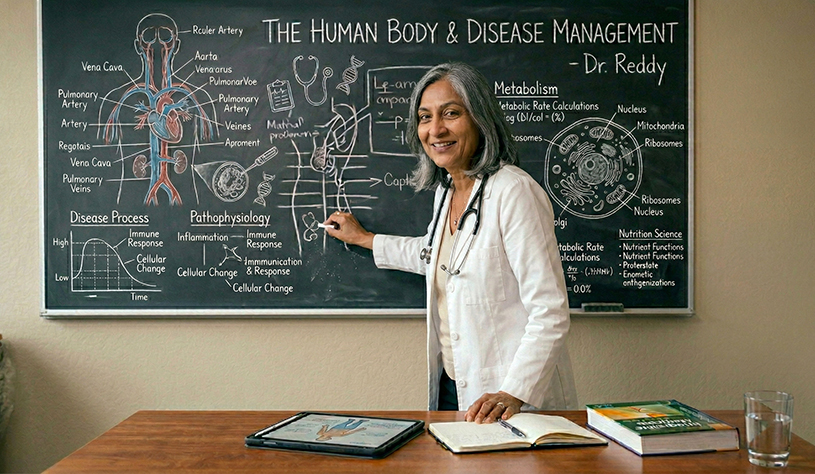 By Dr. Kavitha Reddy is a U.S.-trained MD specializing in Internal Medicine with over 20 years of clinical experience. She integrates conventional Western medicine with holistic and lifestyle-based approaches to promote whole-body wellness.
Her patient-centered philosophy blends nutrition, stress management, and preventive care into every treatment plan. Dr. Reddy is known for her compassionate care and dedication to empowering patients through education and self-care.
She has helped thousands of individuals find balance and healing through a uniquely integrative approach to medicine.